
Common Appliance Problems in Norfolk Homes
A freezer in the basement of an older Norfolk home stops holding temperature overnight, and by morning the floor is wet and a week's worth of groceries is thawing. In a town where many houses were built decades ago — with basements that double as laundry rooms and extra cold storage — that kind of failure hits fast and hard.
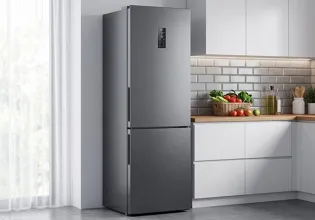
- Refrigerators that stop cooling often have a failing evaporator fan or a clogged condenser coil. In homes where the fridge sits in a tight alcove with limited airflow behind it, the condenser works harder and wears out sooner.
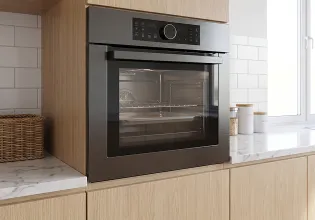
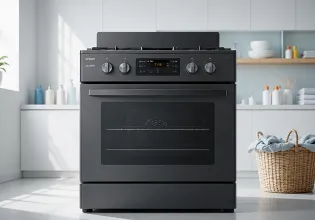
- Gas ovens and stoves that won't ignite or heat unevenly — usually a bad igniter or a thermostat drifting out of calibration. Worth checking before you assume the whole range needs replacing.
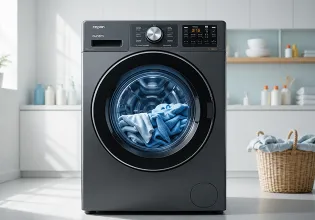
- Washers leaking from the bottom or refusing to drain. We often see this in basement laundry setups where the drain hose sits lower than the standpipe, or the old shutoff valve seeps just enough to go unnoticed for weeks.
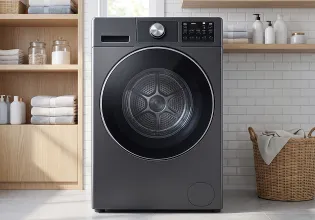
- Dryers running a full cycle but clothes still damp. In many Norfolk single-family homes, the dryer vent runs a long path through the basement and out a side wall. That extra length traps lint and chokes airflow.
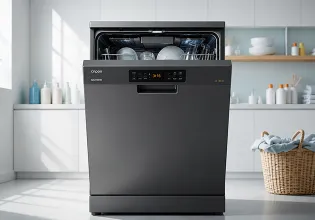
- Dishwashers leaving standing water at the end of a cycle — typically a blocked drain pump or a kinked hose under the cabinet.
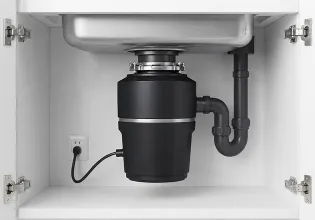
- Garbage disposals that hum but won't spin, often jammed by a small bone or piece of glass wedged between the impeller plate and the grinding ring.
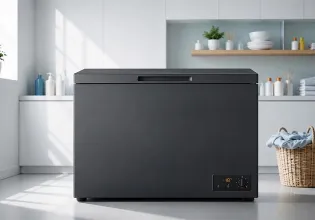
- Chest and upright freezers building excess frost or cycling too frequently, sometimes traced to a worn door gasket that lets warm basement air seep in.
Local Utility, Permit, Safety, and Disposal Factors in Norfolk
When an appliance repair crosses into replacement territory — or when the job involves new gas, electrical, or plumbing connections — Norfolk homeowners need to understand a few town-specific rules before work begins. Skipping a permit or hiring someone who doesn't pull one can create problems that surface later, especially at a home sale inspection.
The Norfolk Building Department permit requirements cover gas, electrical, and plumbing work tied to appliance installation or replacement. If you're swapping out a gas stove, a licensed contractor has to pull a gas permit through the Building Department at 1 Liberty Lane before touching the line. The same applies to gas dryers. Under Massachusetts fuel gas code requirements, only a licensed gas fitter can make those connections — and improper gas work is a leading cause of carbon monoxide incidents statewide. So before you let anyone hook up a new range, ask whether they've filed the permit. If they hesitate, that tells you something.
Plumbing permits apply too. Installing a new dishwasher or garbage disposal that connects to the town's municipal water and sewer system requires a permit from the Building Department, and the Massachusetts State Plumbing Code requires a licensed plumber to do the work. Unpermitted plumbing on appliances can lead to failed inspections and real liability down the road. Norfolk operates its own municipal water and sewer system through the Norfolk Water and Sewer Department, and garbage disposal installations must comply with the town's sewer use requirements. If you're adding a disposal to a kitchen that never had one, check with the installer about whether the existing drain line can handle it — older homes sometimes have undersized pipes that back up once a disposal starts sending food waste through.
Electrical permits come into play for hardwired appliance replacements like electric ranges and electric dryers. If you're upgrading from a gas dryer to electric, or replacing a range that's wired directly into the panel, the installer needs to pull an electrical permit through the town.
Safety is the other side of this. The Norfolk Fire Department home safety guidance emphasizes carbon monoxide detector placement near fuel-burning appliances — and Massachusetts law requires working CO detectors on every level of the home, especially near gas stoves, ovens, and dryers. After any gas appliance repair or replacement, take a minute to confirm your detectors are functional. It's an easy step to forget in the middle of a kitchen renovation.
Dryer vent fires are a recognized residential hazard that the Norfolk Fire Department addresses in its prevention outreach. In older Norfolk homes where the dryer sits in a finished basement and the vent runs ten or fifteen feet to an exterior wall, lint buildup happens faster than most people expect. If your dryer takes noticeably longer to dry a load, the vent needs attention before the heating element does.
What Makes Appliance Repair in Norfolk Different
Norfolk is a small town with its own building department, its own water and sewer system, and its own DPW-managed disposal process — which means the rules here don't always mirror what a homeowner experienced in a larger neighboring city like Franklin or Wrentham. Permit requirements run through a single town office at 1 Liberty Lane, and bulky appliance disposal has to be scheduled directly with the DPW rather than dropped at a transfer station or left curbside on any trash day. That scheduling step catches people off guard, especially when a dead refrigerator is sitting in the garage and they want it gone by the weekend.
The housing stock matters for the actual repair work, too. Norfolk's mix of older single-family homes and newer construction means a technician might see a 1960s kitchen with a freestanding range wedged between original cabinets on one call, and a modern open-layout kitchen with a built-in double oven on the next. Older homes often have limited breaker capacity, shorter gas flex lines, and basement laundry rooms with low ceilings that make moving a full-size washer or dryer a two-person job. None of that is unusual for a New England town — but it shapes how long a repair takes and what parts of the job need a permit.
Appliance Replacement and Household Equipment Considerations in Norfolk
When repair no longer makes sense — the compressor on a fifteen-year-old refrigerator fails, or a washer's transmission gives out — the next steps in Norfolk involve more than just ordering a new unit. You can't leave a dead refrigerator, freezer, washer, or dryer at the curb on regular trash day. Norfolk residents must schedule bulky item pickups through the DPW, and appliances containing refrigerants like refrigerators and freezers require special handling before the town will collect them. Call the DPW ahead of time to arrange the pickup so you're not storing a dead appliance in your garage for weeks.
If the replacement involves new connections — a different fuel type, a relocated water line, a new electrical circuit — the permit requirements discussed above apply. A gas stove replacement needs a gas permit pulled by a licensed contractor. A new dishwasher connected to the municipal water supply needs a plumbing permit. Even swapping a hardwired electric dryer for a newer model may require an electrical permit if the wiring or outlet configuration changes. Ask your installer to confirm what permits they'll pull before the work starts, and verify with the Norfolk Building Department if you're unsure.
Massachusetts consumer protection law under Chapter 93A also gives Norfolk residents recourse if a repair company engages in deceptive pricing or misrepresents warranty terms. If something feels off about a quote — an unexplained diagnostic fee, a parts markup that doesn't match what you can verify, or pressure to replace rather than repair — you have the right to question it and, if necessary, file a complaint.
Norfolk Department of Public Works
9 Medway Branch Road
Norfolk, MA 02056
Phone: (508) 528-1429
Official Website
Areas We Serve Throughout Norfolk
We serve homes throughout the Town of Norfolk. Because no officially designated neighborhoods or village districts are defined by the town, we describe our service area by the types of homes and conditions we encounter across the community.
- Homes near the town center — Often older construction with compact kitchens where a full-size side-by-side refrigerator barely clears the doorframe. We usually check measurements before ordering replacement parts for built-in units here.
- Properties along the main corridors — Mixed housing ages, and gas appliances are common. Dryer vents in these homes sometimes exit through a band joist that's partially obstructed by exterior landscaping, which slows airflow.
- Newer subdivision homes — Typically open floor plans with kitchen islands and built-in dishwashers. The appliances are often still under manufacturer warranty, so we verify coverage before starting any paid repair.
- Older single-family homes on larger lots — Basements here tend to be the laundry hub, and it's not unusual to find a washer and dryer tucked under a low ceiling next to the oil tank. Getting a new full-size unit down a narrow bulkhead stair takes planning.
- Homes near conservation land and wooded areas — Power fluctuations during storms can trip sensitive electronics in modern refrigerators and ovens. A surge protector on the appliance circuit is worth considering if outages are frequent.
- Properties with finished basements — Freezer and second-fridge setups are popular for extra storage. When these units fail, the confined space and limited ventilation behind the appliance often contributed to the breakdown in the first place.
- Homes with updated kitchens in original-era houses — The cabinetry may be new, but the electrical panel and gas lines behind the wall are often original. That mismatch can complicate a straightforward range or dishwasher swap.
- Raised ranch and split-level homes — Laundry is frequently on a lower level accessed by a half-flight of stairs, which makes appliance delivery and removal a tighter operation than in a typical single-story layout.